


A Delicious Coming-of-Age Story with All the Right Ingredients
DIRECTED BY MATT JOHNSON/2026
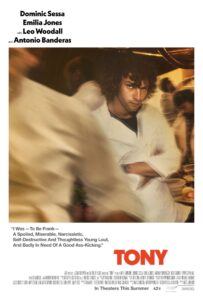
When you hear the name Anthony Bourdain, no doubt a specific image comes to mind. Perhaps it is less of a distinct mental portrait, but rather a conglomeration of brazen traits and a distinguished culinary legacy. His blunt delivery, non-existent filter, and genuinely contagious blend of passion and curiosity for the work all made for an enthralling personality. This was a man who could wax poetic about the culture of cuisine one moment before launching into a raunchy anecdote about one of the multitude of characters that populated his life. The dishes may have been grand masterpieces, but it was Bourdain’s unflinching authenticity that established such a loyal following that still exists today.
Before he was a critically acclaimed chef and unapologetic public personality, Bourdain was another young upstart defined by burgeoning talent lacking any sufficient outlet. Sampling anecdotes from the early chapters of Bourdain’s Kitchen Confidential, Tony highlights the brief but transformative summer that the directionless vagabond spent washing dishes in a Provincetown kitchen. 19-years-old and brimming with the false bravado of youthful inexperience, Anthony (Dominic Sessa) – or Tony to everyone besides his mother – restlessly roams the Vassar College campus. His sharp intelligence and subversive charm are a strange magnetic combination that drags in whomever his target audience may be. This sharp wit and commanding voice are the outline of the future cultural icon gradually beginning to break through.

As with numerous coming-of-age tales, the catalyst for Tony’s grand adventure arrives in a blatantly familiar walking cliché – a girl. A chance encounter at a local dive bar with an old high school classmate, Nancy (Emilia Jones), is the match Bourdain uses to burn the foundations of his cozy life into ash. That night, he sneaks out in the proverbial unknown in a desperate ploy to win the affection of his captivating love interest. The reality is considerably less poetic. Upon his arrival in Provincetown, Tony is confronted with harsh truths and the heartbreak of doomed young love drives Tony straight to a bar, where his drunk and disorderly behavior lands the vagabond in near instant trouble. In true Bourdain fashion, his hot-headed arrogance and admirable – if slightly foolish – pluckiness miraculously manages to earn him a role at the same establishment.
In this cramped East Coast kitchen, the roots of the man to-be take shape among the shellfish and filthy dishes. Director Matt Johnson spends an egregious amount of time in this singular, limited space. Our protagonist’s once expansive world of philosophers and literary titans is shrunken and confined in a matter of days. There is potential for exploring the distinct correlation between the tightly controlled environment produced here and the intense claustrophobia of burgeoning adulthood. Though the restaurant and its staff lacks size, it makes up for this deficiency in eclectic personalities. Sal (Leo Woodall), a reckless oyster shucker and occasional bruiser, is quick to take the stranded newcomer under his wing. Their reckless escapades through the small town could be easily written off as typical behavior of wild young bucks. Fans of Bourdain’s Kitchen Confidential will be particularly pleased to see Sal bring to life one of the raunchier anecdotes involving a bride on her wedding night. However, there is a darker vein suggestively threaded throughout their relationship as Sal introduces his younger counterpart to the world of illicit substances. Bourdain was never shy about his past abuse and it was a common discussion piece. Though he would have surely appreciated its inclusion, Tony does soften the blow with brief flashes of moments that feel more akin to overly-sensitized Easter eggs of the path to come. This soft-handed approach is perhaps the one genuine kindness director Matt Johnson allowed to Bourdain’s aggressive public image.
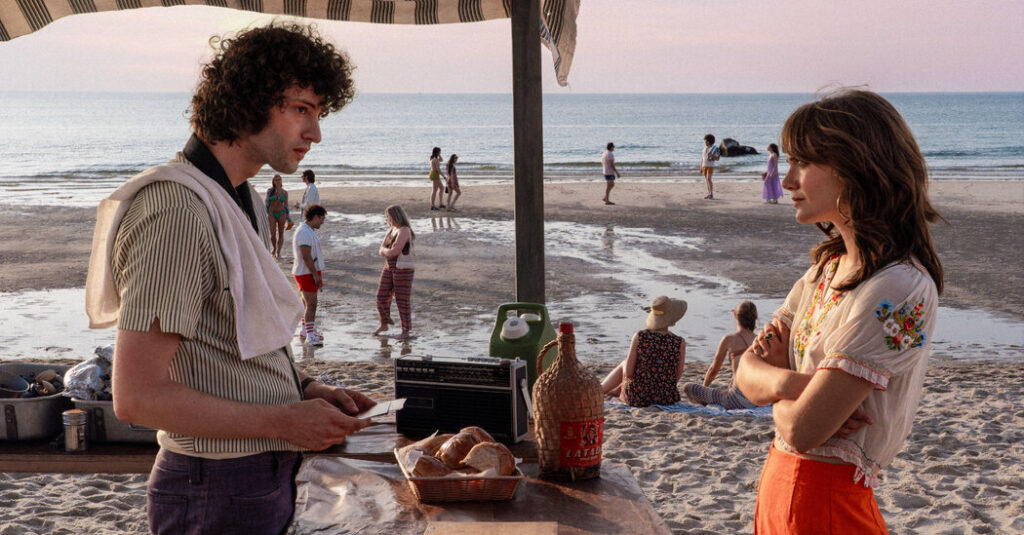
Above this motley crew is the reserved and introspective Chef (Antonio Banderas), whose quiet disposition is shrouded in mystery. While Tony may roam the streets with Sal, it is Chef who adopts the role of mentor- if somewhat reluctantly. The relationship between the two can be characterized by an endless push-and-pull of insurmountable forces. This inevitable clash of youthful arrogance and jaded experience results in the expected initial hostility that begrudgingly morphs into a mutual respect. Chef offers his young counterpart the opportunity to direct his restless energy into a productive conduit. In return, Tony reignites a long-gone passion for the work the older man once considered his art. The endlessly fluctuating dynamic highlights the nuance in each of these performances. Even this early in his career, Sessa has a keen knack for selecting roles that see-saw the fine line between outward self-assuredness and deep uncertainty. The emotional beats land pleasantly due to Sessa’s ability to play this larger-than-life figure as a thoroughly grounded, complex human perfectly capable of self-destructing his own life. Bourdain is the steady weight that balances the film with his calm demeanor and strong sense of self-discipline. His subtle portrayal is perhaps his best work in recent history, and absolutely essential to Tony’s success.
While the bones of a respectable biopic exist beneath the surface, Johnson is much more focused on composing a genuine coming-of-age story that simply happens to center around a famous figure. Set against the beautiful coastal backdrop of Provincetown, Bourdain’s early years transform into a metaphor for the intricacies of growing pains. More specifically, how the blend of nature and experience molds us into the people we become. There is value in appreciating and pursuing the things that bring us satisfaction, even if the journey may be riddled with pitfalls. Through the eyes of a culinary icon, we experience the intoxicating joy of discovering a driving passion teeming with the promise of new life. Johnson leaves us with a resounding sense of hope in the intangible concept of the future, which ultimately is perhaps the greatest tribute to Bourdain’s legacy imaginable.