


Documentary Shows Irish Chicago in all its Glory
WRITTEN & PRODUCED BY DANIEL ANDRIES/2009
Call me biased, but there’s really only one region of the country to study if you want a crash course on the background and culture of Irish-Americans: Chicago!
It’s true that other major cities have storied histories with Irish immigrants who transformed their societies. But few celebrate their Celtic connections with more flair than does the Windy City. In my humble opinion, Chicago has the credentials to claim the title of Irish-American capital of the United States.
One of our mayors (Richard J. Daley) was called a kingmaker for playing a significant role in helping elect the nation’s first Roman Catholic president of Irish ancestry. October is recognized as Fire Prevention Month due to a citywide blaze that tragically began in the barn of an Irish immigrant (Catherine O’Leary). A performing arts phenomenon called Riverdance took the nation by storm in the mid-1990s due the interest that one Chicago-area lad (Michael Flatley) took in Irish step dancing.
Is there any other part of the country that has left a richer legacy when it comes to its Irish heritage? Is there any other corner of the nation that feels a deeper sense of pride in its roots to the Emerald Isle?
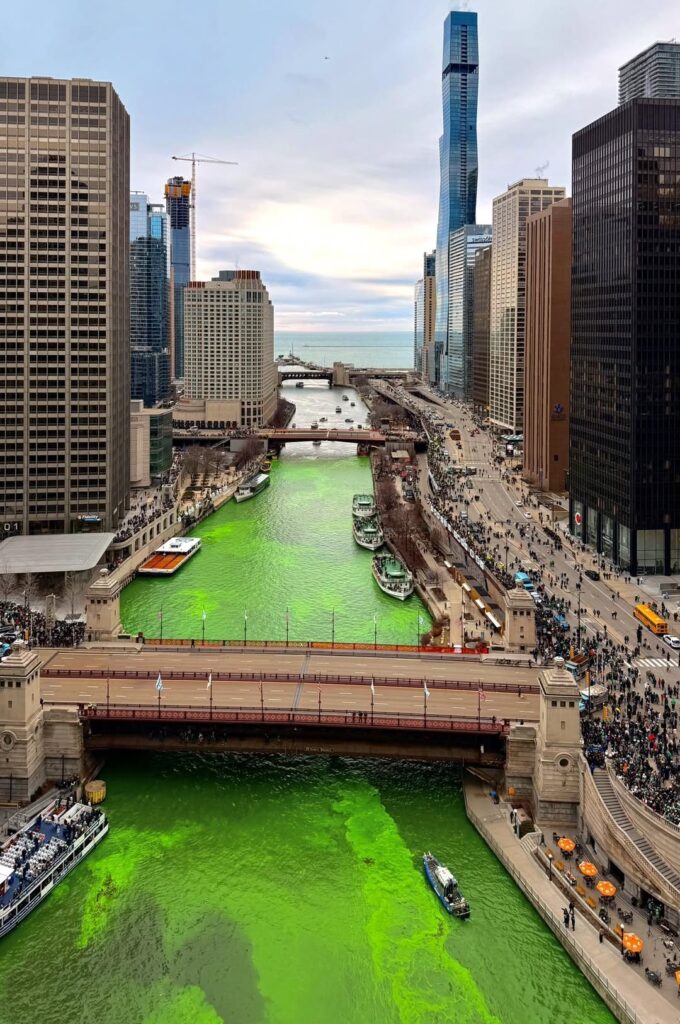
I mean, this city has turned the Chicago River green just before St. Patrick’s Day for more than 60 years. Who else does that? Who else would dare do that?
So if you’re looking for something to watch this St. Patrick’s Day rather than The Quiet Man or Waking Ned Devine, one particular documentary would be a good choice. Irish Chicago showcases how this ethnic group shaped the city and began many of the traditions still carried out today.
The documentary was first broadcast in 2009 on WTTW-TV, the PBS affiliate in Chicago. It is hosted by actor Aidan Quinn, who was born and raised in Chicago and also spent time in Ireland.
Irish Chicago examines what drew Irish immigrants to the city, where they lived and how they prospered. Viewers gain a good understanding of the ethnic factors that influenced Chicago and why the city continues to reflect its Celtic roots so strongly. WTTW-TV offered this description of the documentary:

“The immigrant history of Chicago is rooted among many countries and people whose struggles and triumphs have led them to the Midwest. From the days of Chicago’s founding in the 1830s, the city has been the final stop for people journeying from all over the world looking for a land of opportunity. In numerous ways, these new arrivals made their mark throughout the city and are woven into Chicago’s rich cultural fabric. Irish Chicago features the colorful stories of Irish-American immigrants and their descendants who lived the history and exemplify the repeated cycle of the outsider becoming the ultimate Chicago citizen-insider.”
Quinn discusses how Irish immigrants came to Chicago to help construct the Illinois and Michigan Canal. This waterway was designed to connect the Great Lakes with the Mississippi River. Just like they had on other major infrastructure projects in the country (the Erie Canal, the transcontinental railroad lines), Irish immigrants provided much of the labor to build the canal.
The starting point of the I&M Canal was Bridgeport, a community just outside the city in which one part of the Chicago River is located. The canal ran westward to the Illinois River, which eventually links with the Mississippi River. This would allow ships to transport valuable goods through the Great Lakes via Lake Michigan to Southern portions of the country via the Mississippi River.
Bridgeport, which was eventually annexed by Chicago, became a highly influential South Side neighborhood. Many of the Irish people who settled there found work in the nearby Union Stock Yards — the facility that, as poet Carl Sandburg noted, turned Chicago into the “hog butcher of the world.”
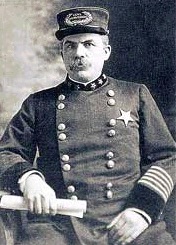
Irish immigrant Daniel Francis O’Neill walked the beat as a patrol officer in Bridgeport during his time on the Chicago Police Department in the late 19th century. He rose to the rank of general superintendent of the entire department, spending much of his time trying to reform the system.
However, O’Neill would earn a greater reputation as the man who saved Irish music. He played several instruments and would write down tunes he heard sung by other Irish police officers. His collection of nine volumes of Irish music preserved this tradition, which influenced later generations of Irish-Americans who took an interest in the folk music that once could be heard all across Ireland.
The Bridgeport community became the center of Irish-American politics in Chicago. Five of the city’s mayors grew up in this neighborhood, including the one who led Chicago in becoming a world-class city.
Elected mayor in 1955, Richard J. Daley embarked on massive capital works projects throughout the city. By rapidly developing skyscrapers, highways and cultural institutions, this new urban leader caught the attention of international figures; they began making frequent trips the Windy City to see for themselves how Chicago was able to thrive. Ruling Chicago-area government with an iron fist, Daley became one of the most essential players in national politics — he could deliver or deny critical votes on issues before Congress.
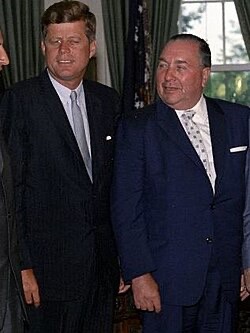
Daley bent over backward to make sure U.S. Sen. John F. Kennedy from Massachusetts was elected president in 1960. There were likely some, let’s say, “irregularities” when it came to voting throughout the region (the history of Irish politics is filled with such shenanigans). Nevertheless, Kennedy won and never forgot who helped put him in the White House.
St. Patrick’s Day was Daley’s favorite holiday. He initiated the downtown parade in 1956 and always led the line of marchers. Politicians who walked beside him in the parade were viewed as being in his favor — at least, for the moment!
Irish Chicago explores features that make the city so distinctly Irish.
One of the most iconic structures in Chicago is located in the South Side neighborhood in which I grew up. The Irish Castle was constructed by land developer Robert Givens in the 1880s. He patterned it after a castle he is reported to have observed on the River Dee in Ireland.
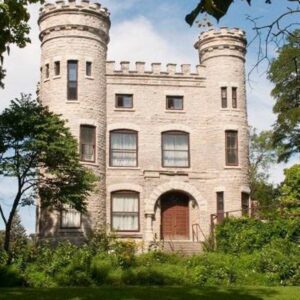
My native community also hosts one of the largest St. Patrick’s Day parades in the country. What originally started as a brief march around a city block in 1979 grew into the annual South Side Irish St. Patrick’s Day Parade, which attracts several hundred thousand spectators each year.
Irish Chicago offers viewers a wonderful primer on a city’s connection to its Celtic heritage and, ultimately, how Irish-Americans as a group evolved in this nation. It can be streamed for free at PBS.org.